
Nearly a year. That’s how long it has taken for my referral to the Neuropsych team to go through. It changed several times in the run up to the actual day, but eventually we made it.
Was I nervous? Yeah. What was he going to ask me? How deep were we going to dive into the science, the possibilities, my past… All in order to figure out why my brain went haywire five years ago and has yet to reset.
The thing with issues with your brain is it’s awfully easy to think…well, yeah, it is all in my head. And of course the nuance there isn’t one of jelly beans and starlight, is it? How long have women been told that whatever issue they have is ‘all in their head’? Despite being sent to this Doc by another Doc who is actually really kind, I was ready for the age old diagnosis.
He seemed nice enough, though I did notice his glance at my wife as she followed me in. Was he uncomfortable with that? He didn’t say, but it’s not unusual to wonder. He started off by asking why I was there…he’d got my file mixed up in his head with another patient with MS. When I explained it was the FND diagnosis, not MS, he seemed a little flustered.
Awesome.
Questions ensued, and he really only stopped typing up my answers when I mentioned a particular emotion related to the illness: anger, frustration, isolation. Hopelessness. “Tell me more about that,” he’d say, looking at me briefly.
“I want to understand what has caused it. I want to treat the primary issue, not just the symptoms. Why is my brain glitching?”
Ultimately, he said, there’s no point in trying to figure out the cause.
It’s a rabbit hole with no end.
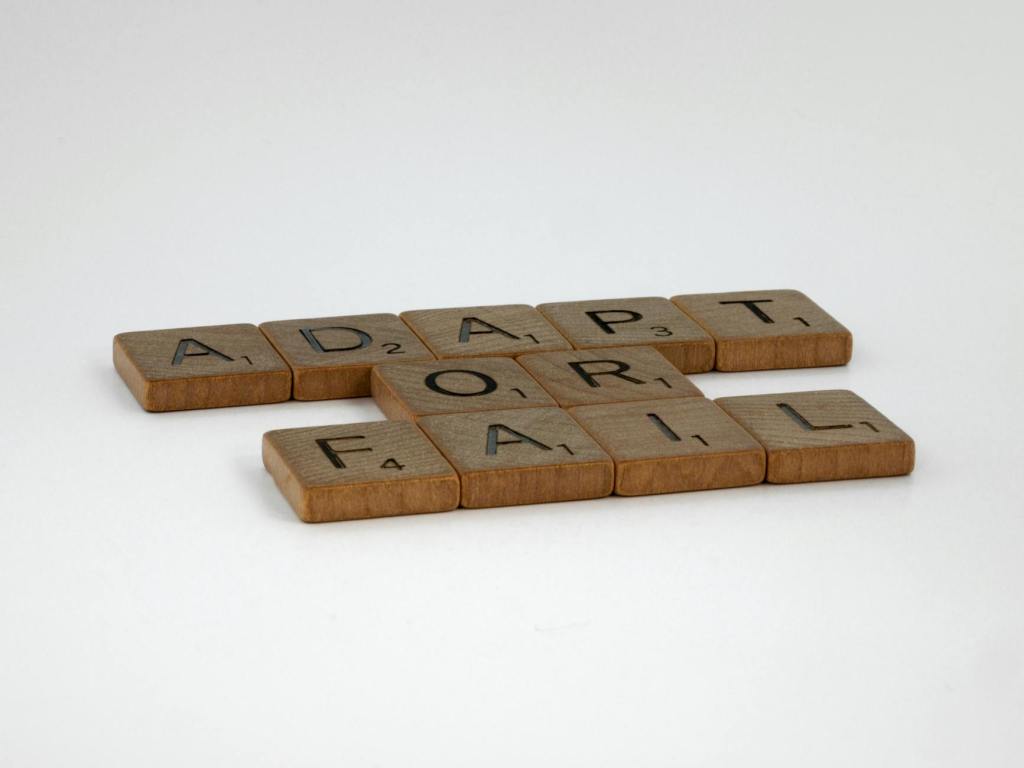
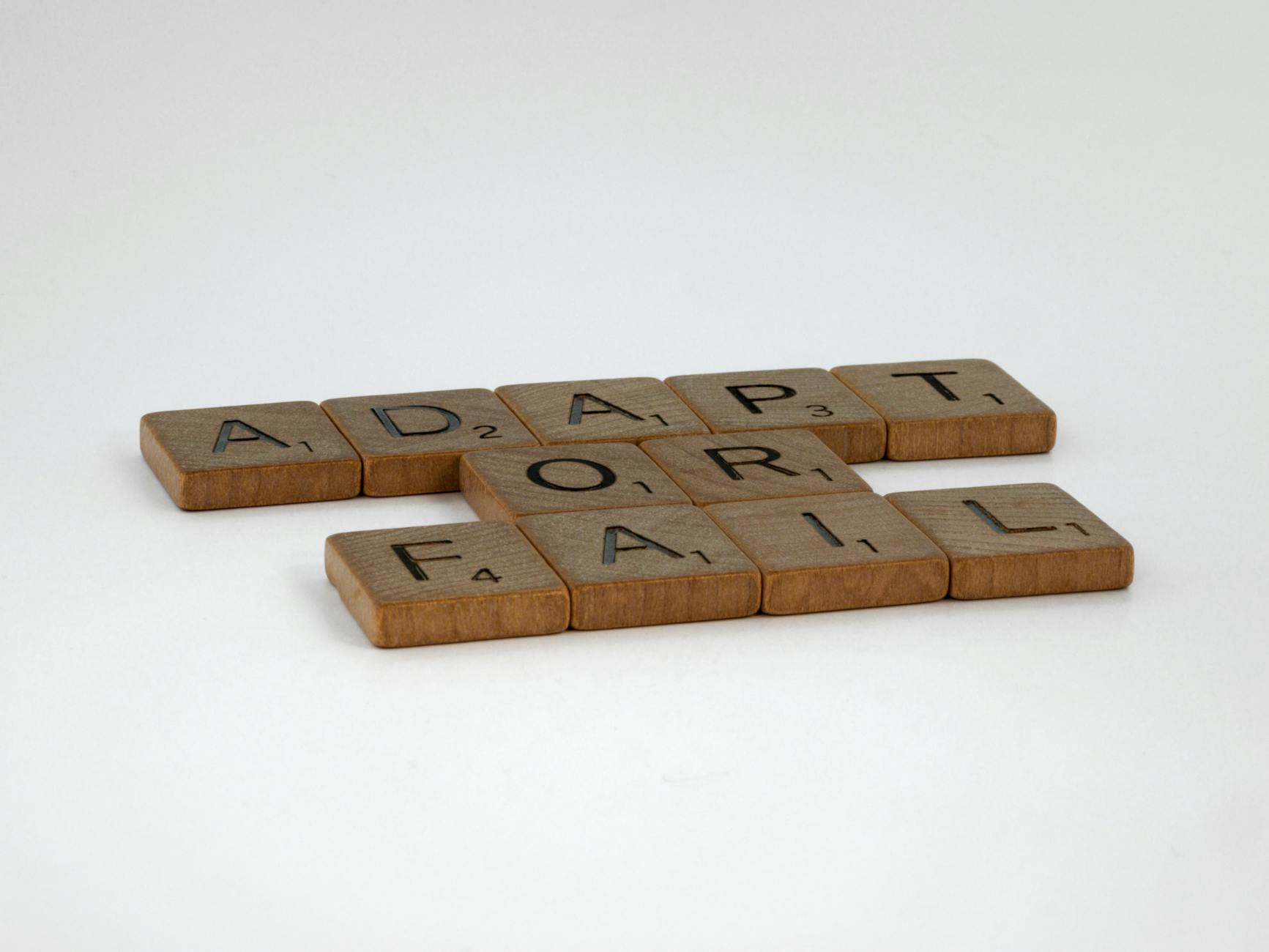
So, I just deal with the symptoms. I continue to learn to live around it, adapting and pivoting as needed when things change. Deal with the fact that I can no longer read properly. The fact that I feel like half of my self, with the other half an indistinct blur. “I used to be really smart. Now I’m just…dumb. I’ve lost the person I used to be.”
I’m living better with it than most people, and it won’t kill me, so… What more do I want? I can talk to a therapist, but it probably won’t do any good, since I’ve already done all that work. The disease, which is very real, has a different cause for every person who has it. Ultimately, you adapt.
There’s no hope then, I said. “Give up hoping for an answer and just deal with it. It just…is.” (I have a feeling my tone suggested the waste of time I felt the appointment to be.)
“Well, I wouldn’t give up hope. We all need hope.” He looked almost offended, his energy bristly. “Do you want me to leave your file open so you can come back and see me?”
I think I’ll pass, mate. You told me exactly nothing, gave me no hope, no science, no coping skills I didn’t already have. Will it kill me? No. Are there people far, far worse off? Absolutely. But I’m not them. I’m me, and I miss the person I was and won’t ever get back. And I’m allowed to feel that way, so long as I don’t let the negative stuff roll over me each day like a steam train, dragging me along behind it on dirty tracks.
Adapt and pivot. That’s what we’re doing. That’s life. I’ll keep pivoting toward the sun rather the shadows.
*from a writing standpoint, all this emotion? It’s gold. I’ll use it in my writing when I need to dig for what a character feels in a moment of helplessness, when obstacles feel too big, too dark, to deal with. The silver lining for an author is that life provides plenty of fodder to mess with your characters.*


 Random Musings
Leave a reply to West Women Walking Cancel reply